

Base Material & Surface Condition
Good plating starts before plating. Base material quality, casting condition, polishing, surface defects and cleanliness can all affect coating adhesion and the final appearance.
Consistent color, reliable finishes and better durability start with the right material, plating system, process control and release standards. Jewelry plating is not just about applying color. From the base material to final testing, every step affects color consistency, adhesion, durability and repeat-order stability.

Good plating is the result of a complete manufacturing system. Problems with the base material, plating specification, process execution or final release standards can all affect how the jewelry looks and performs over time.
Good plating starts before plating. Base material quality, casting condition, polishing, surface defects and cleanliness can all affect coating adhesion and the final appearance.
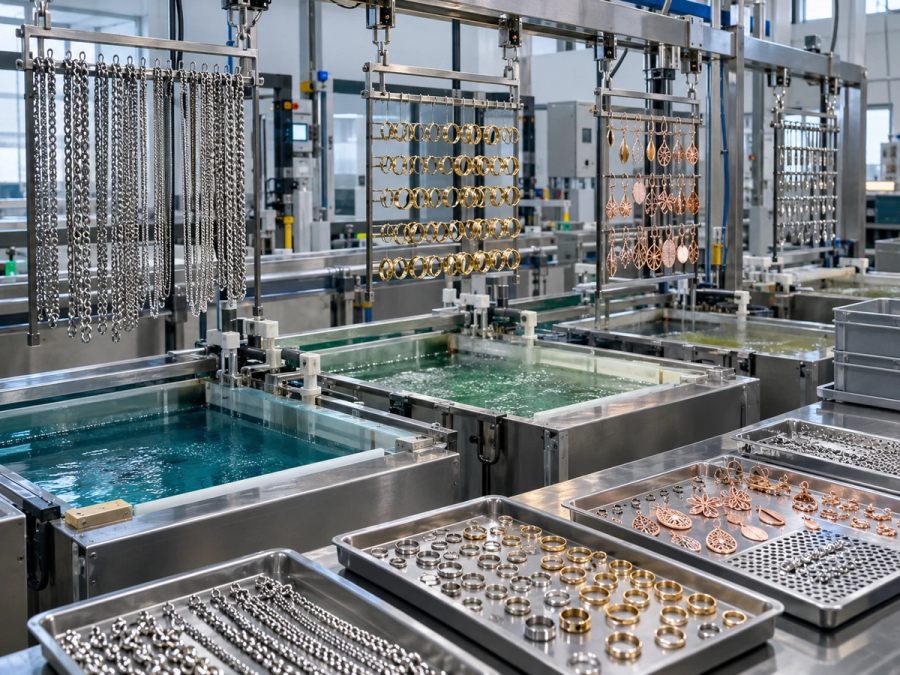
Different base materials, product structures and intended uses require different plating approaches. The plating system should be selected according to the product rather than applied as a one-size-fits-all process.
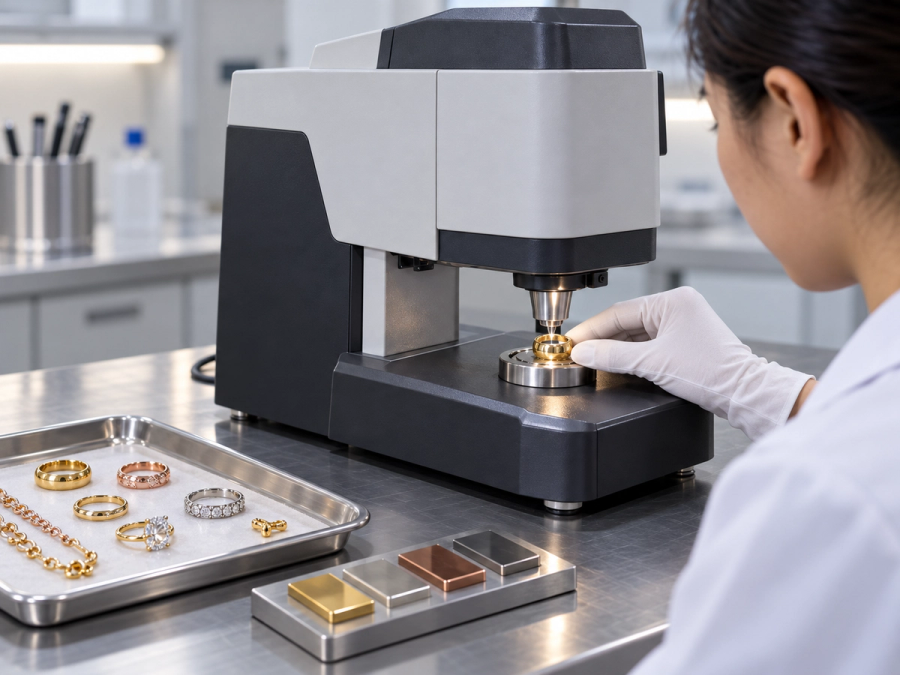
Coating thickness and finish performance depend on controlled process execution. The required specification should be confirmed and consistently followed rather than relying on appearance alone.

A gold-colored finish is not necessarily the same as real gold plating. The plating material, coating method and target specification should be clearly confirmed so brands know what is actually being applied to their jewelry.
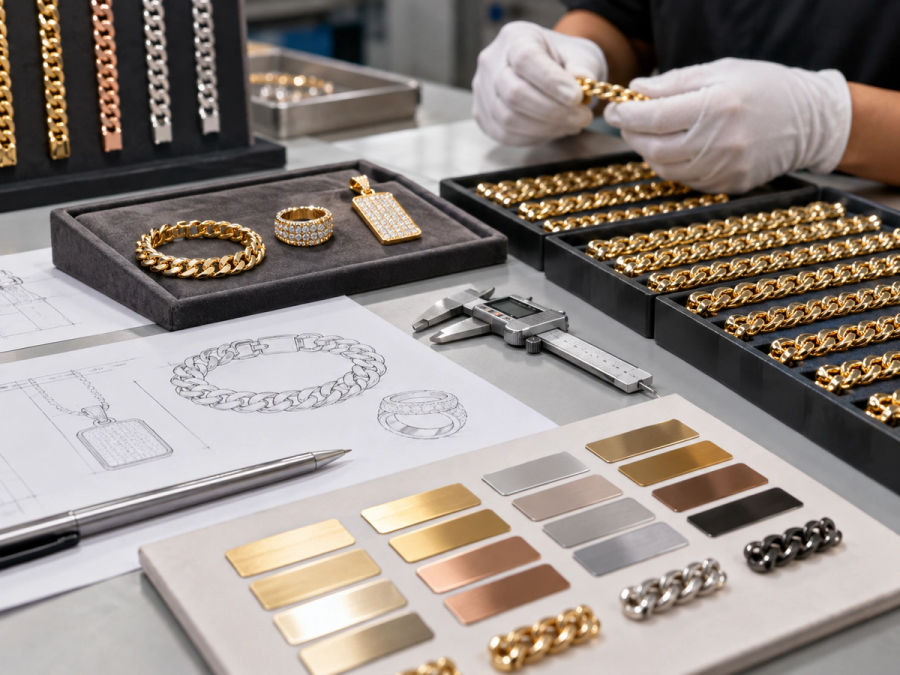
A good sample is not enough. Approved samples, color references, process specifications and production controls are needed to help maintain consistency between sampling, bulk production and repeat orders.
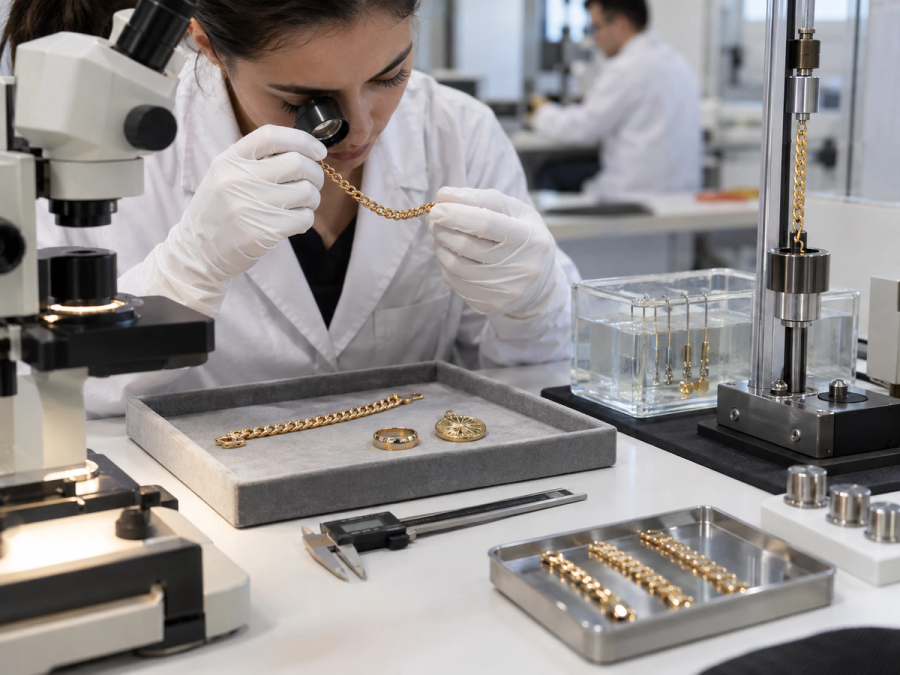
Plating quality should not be judged only by how the jewelry looks when it leaves the factory. Final release can include visual inspection, durability or destructive testing, and representative real-life wear evaluation where appropriate.
Quality plating requires control before, during and after the plating process. We manage each stage around the product specification and approved requirements.
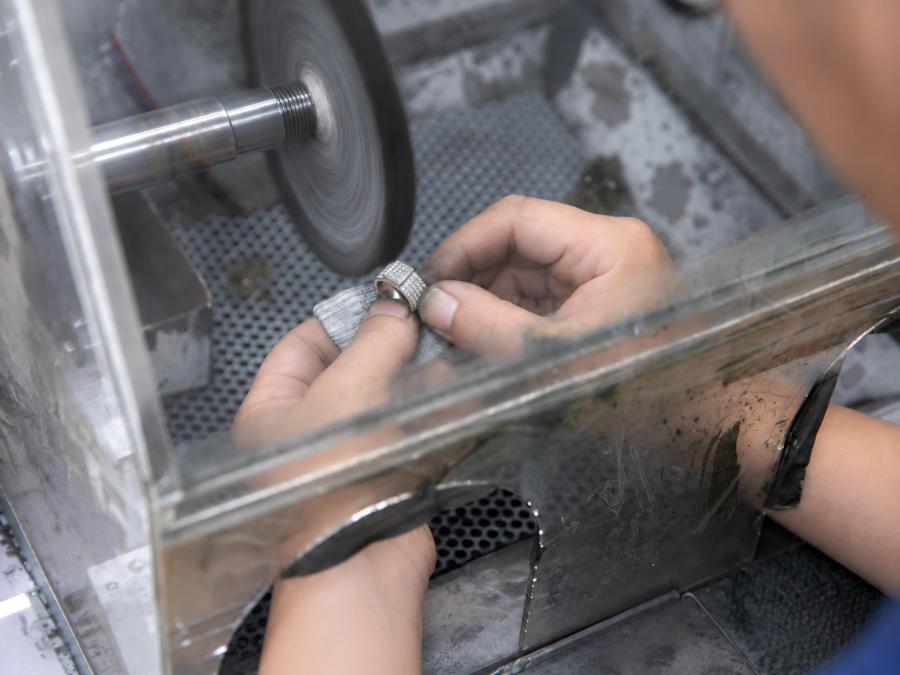
Before plating, we check the base material, product surface and finishing condition. Polishing, surface defects and cleanliness are addressed before the product enters the plating process.

We select the plating approach according to the base material, jewelry structure, target finish, intended use and durability requirements.

The agreed coating specification is translated into controlled production requirements so thickness, finish and process conditions are managed consistently during production.
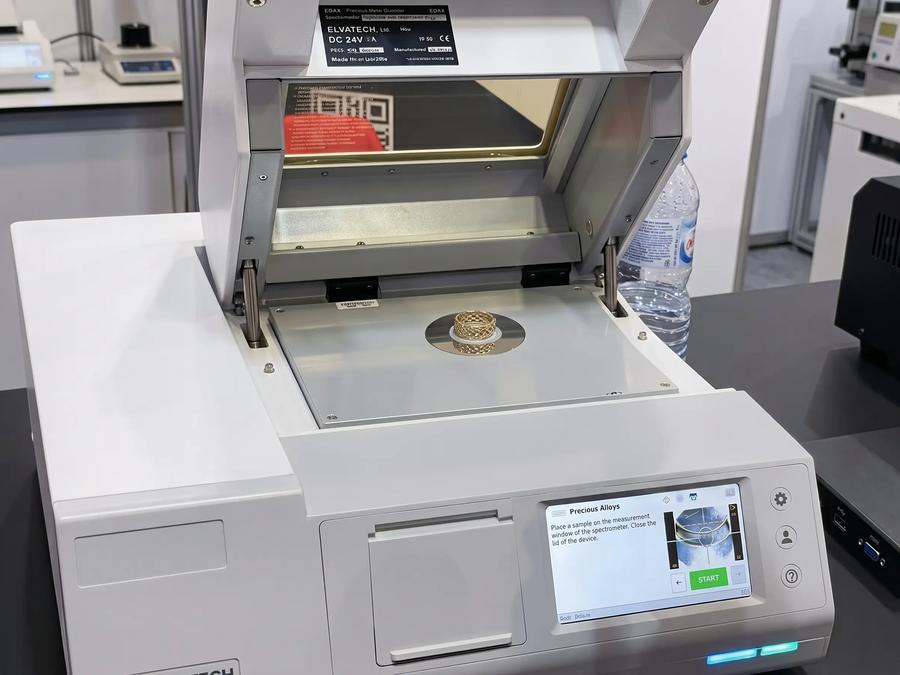
We clearly confirm the intended plating material and finish specification before production, including the distinction between gold-tone finishes and plating that actually uses gold.
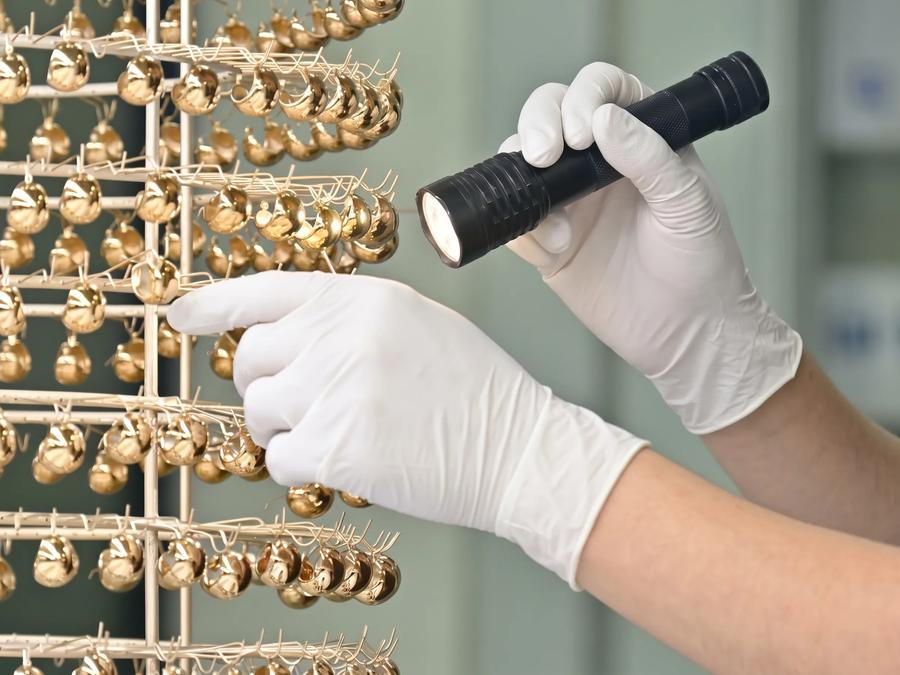
Approved samples, color references and controlled production standards are used to help maintain consistency between samples, bulk orders and repeat production.
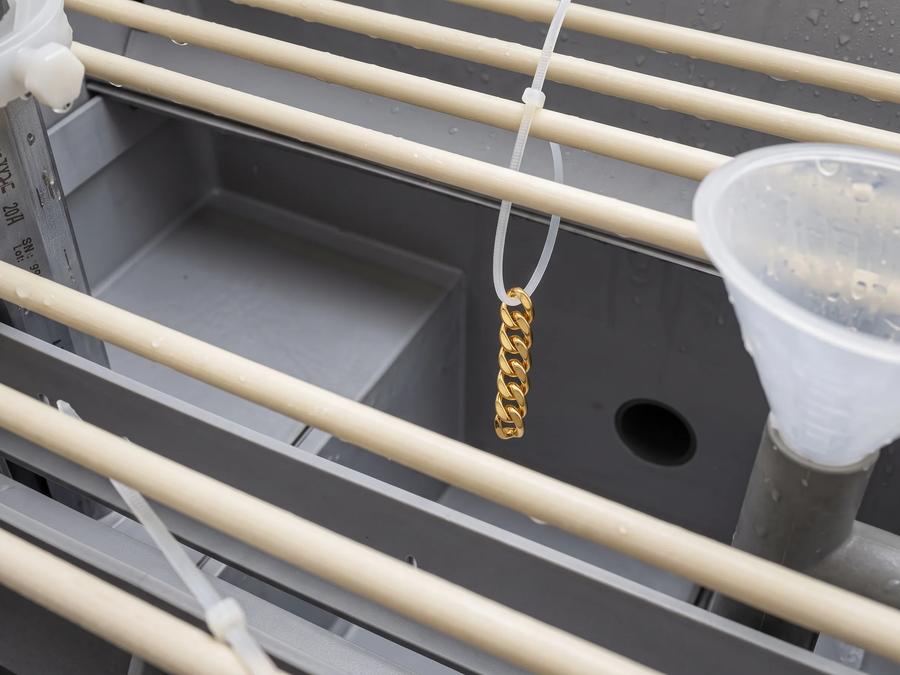
Final release goes beyond appearance checks. Depending on the product and project requirements, validation can include visual inspection, destructive or durability testing, and representative real-life wear evaluation such as contact with water, showering, swimming and normal daily wear. The goal is simple: not only good-looking, but durable and wearable.
The plating method is selected according to the base material, product structure, target finish and durability requirements.

Vacuum/PVD plating is commonly used for suitable stainless steel jewelry applications where a durable and consistent decorative finish is required.
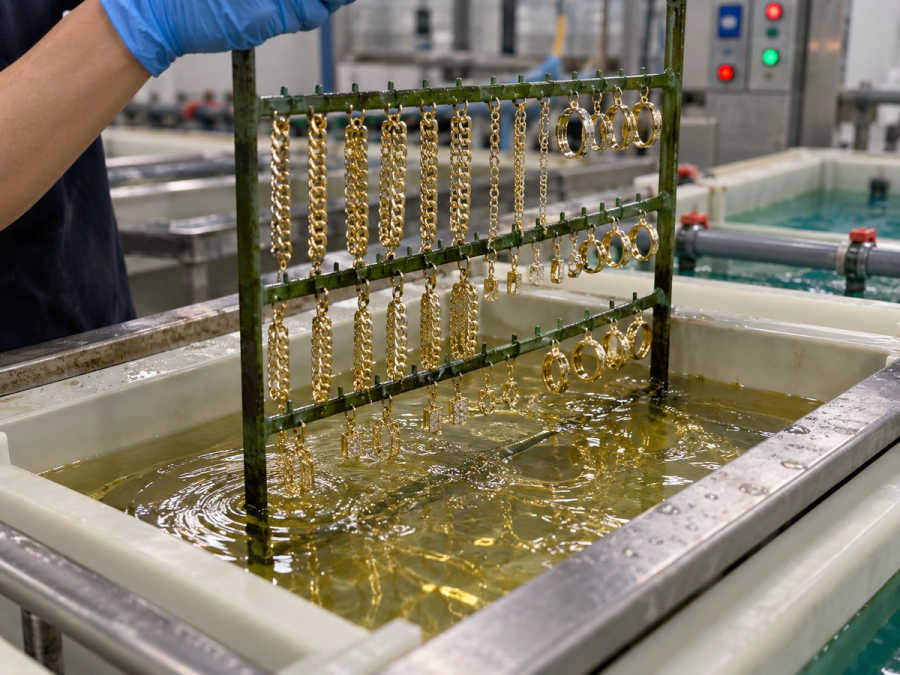
Electroplating is used for compatible jewelry materials and finishes where an electrochemical coating process is appropriate for the product design and required appearance.
Choose from a range of jewelry finishes based on the base material, product design, target appearance, and performance requirements. Finish colors and process specifications can be confirmed through approved samples before bulk production.

Gold-tone finishes can be developed according to the material, design and approved target appearance.
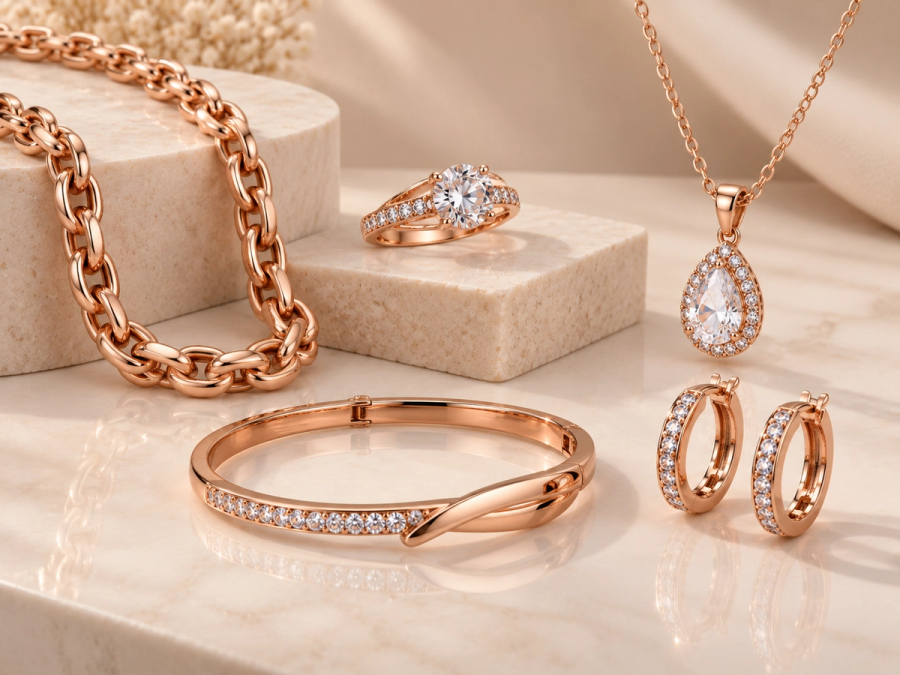
Rose-gold-tone finishes are available for suitable materials and plating systems.
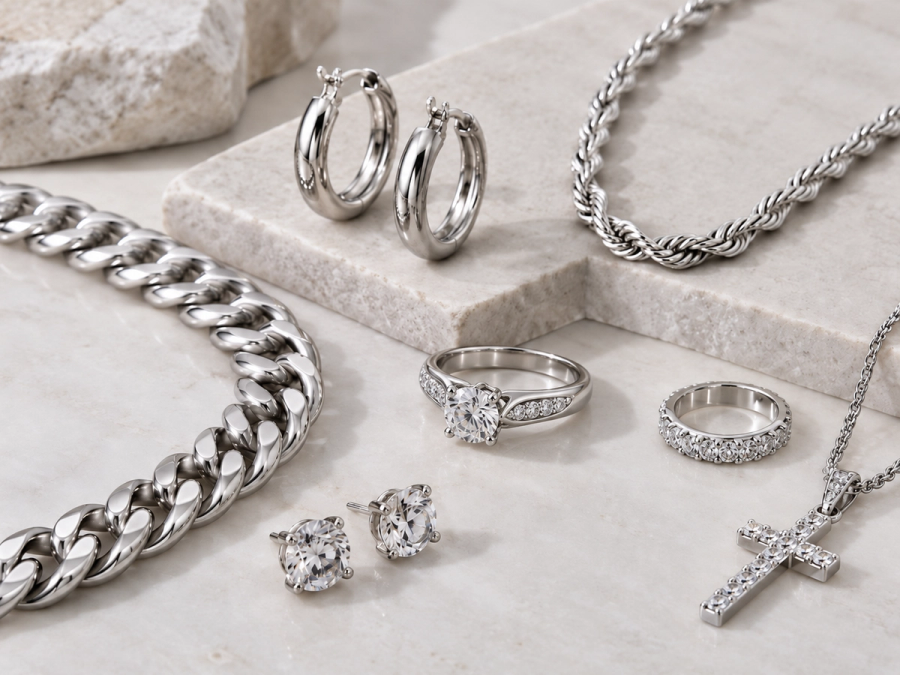
White or silver-tone finishes can be selected according to the base material and required surface appearance.
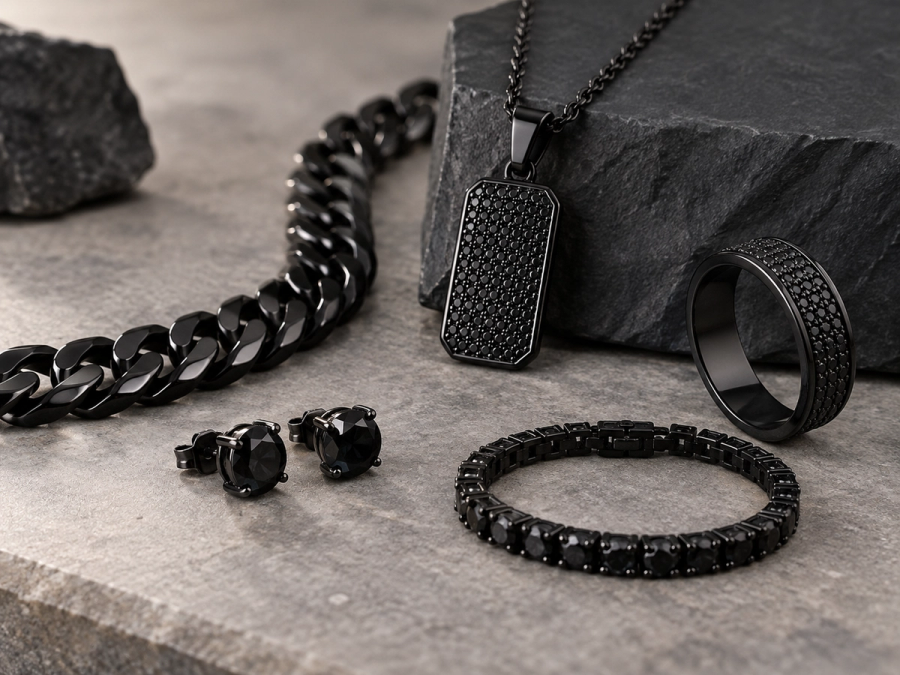
Black decorative finishes can be considered for suitable product materials and designs.
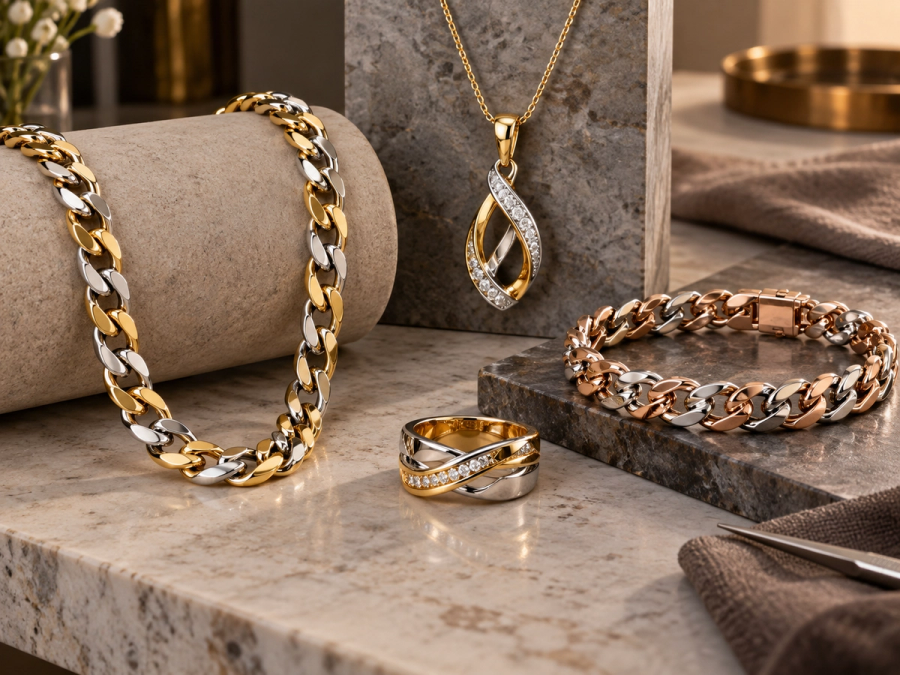
Two-tone finishes can combine gold, silver, rose gold, or other compatible colors according to the jewelry design and approved appearance.
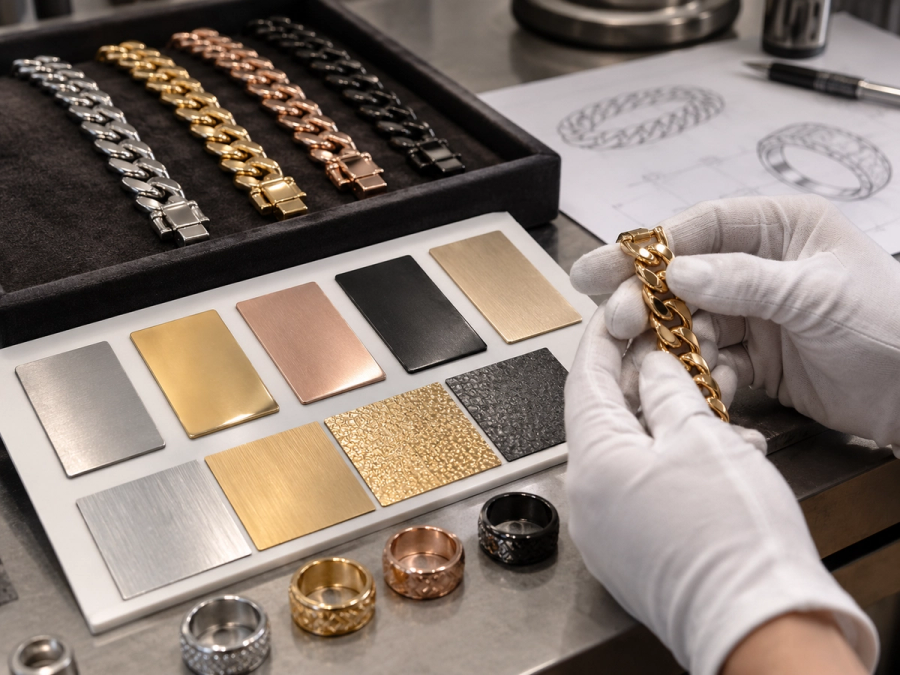
Brand-specific finishes can be evaluated and confirmed through approved samples before bulk production.
We support different jewelry plating approaches, including vacuum/PVD plating and electroplating. The appropriate method depends on the base material, design, finish and project requirements.
Plating quality is controlled through material matching, surface preparation, process control, batch comparison and final quality validation. The exact process depends on the product material and finish requirements.
No. A gold-tone finish describes the appearance, while real gold plating refers to a coating that actually uses gold. The correct terminology and specification should reflect the actual plating material and process used for the product.
Yes. Depending on the product and project requirements, plating evaluation can include visual inspection, durability or destructive testing, and representative real-life wear testing.
For suitable products, evaluation can include representative everyday-use conditions such as contact with water, showering, swimming and normal wear to better understand finish performance in actual use.
Approved samples, color references and controlled production checks can be used to help reduce visible differences between batches and repeat orders.
Tell us your product material, target finish and durability requirements. Our team can help evaluate a suitable plating approach for your project.