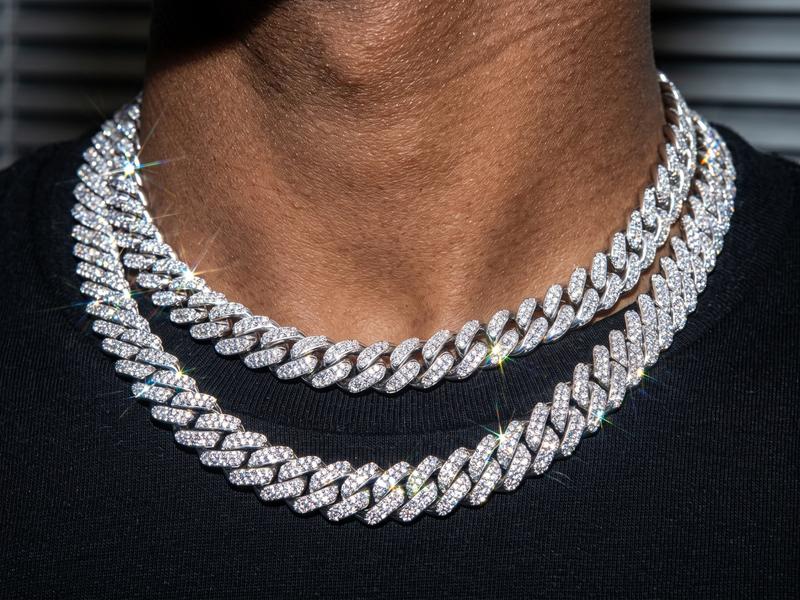
Systematic Material Verification
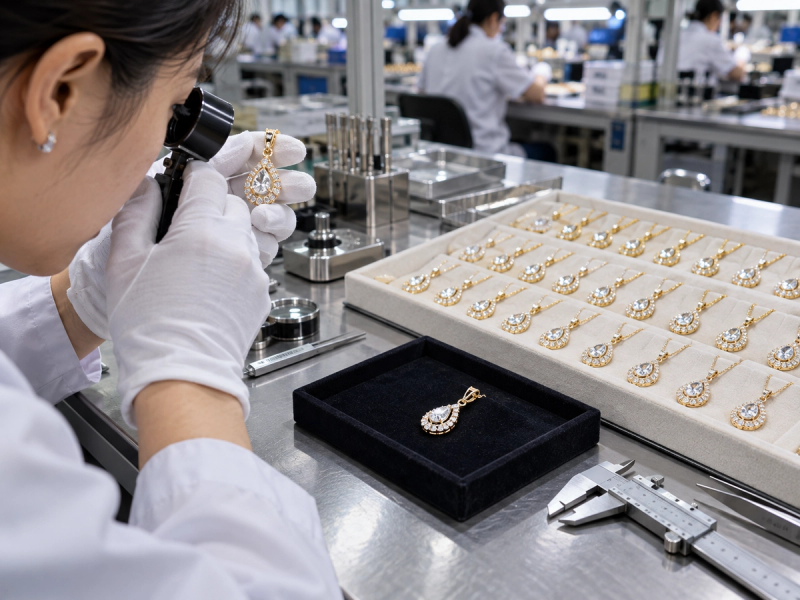
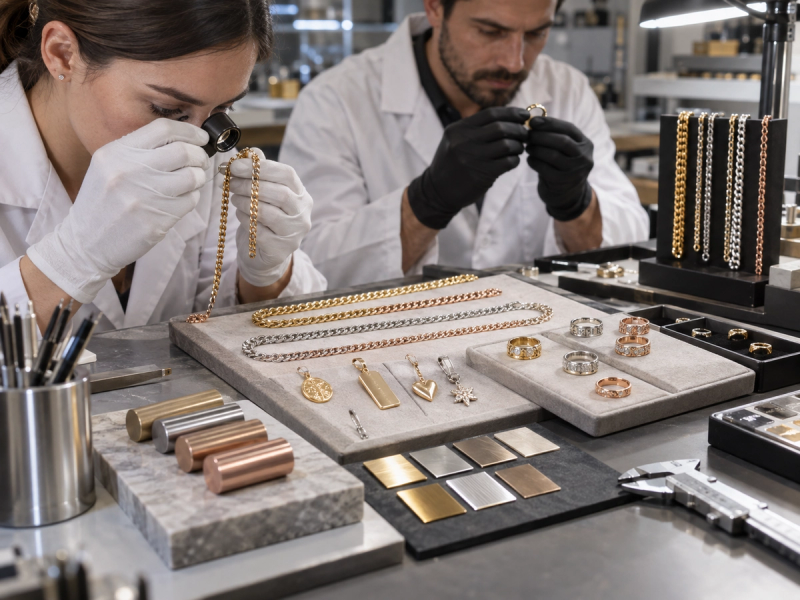
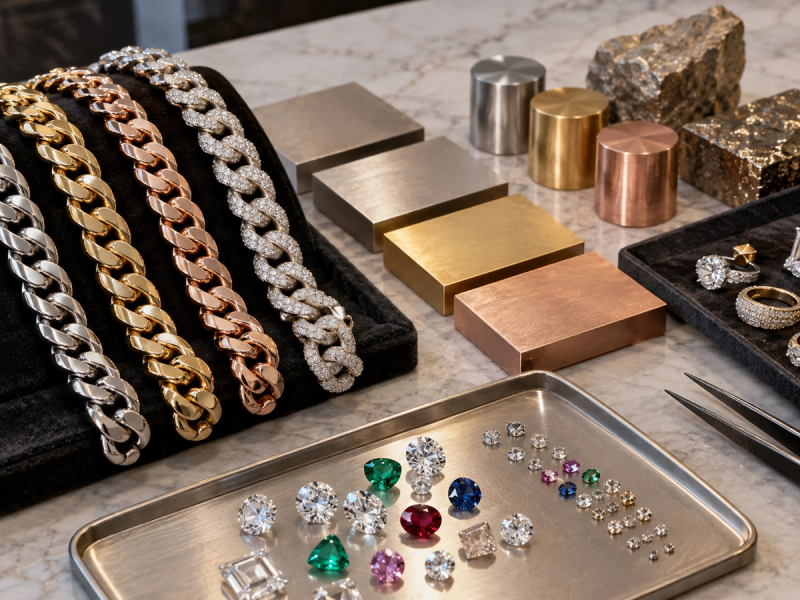
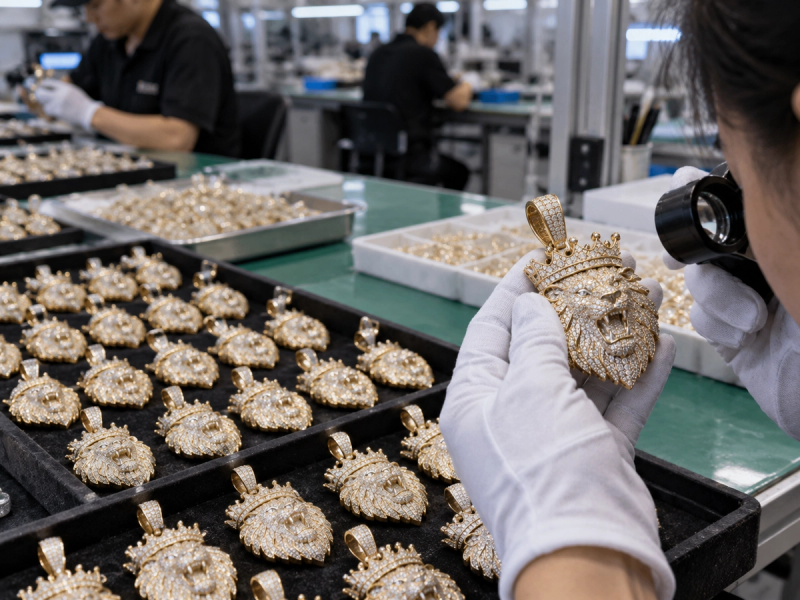
We conduct regular and random checks on all raw materials — whether it’s 925 silver, 304 or 316L stainless steel — to ensure authenticity and eliminate counterfeit risk.
At Missjeweler, we know that poor quality doesn't just hurt products — it hurts your brand, your reputation, and your bottom line. That’s why we go beyond surface-level quality control and tackle the root causes across six key dimensions
We conduct regular and random checks on all raw materials — whether it’s 925 silver, 304 or 316L stainless steel — to ensure authenticity and eliminate counterfeit risk.
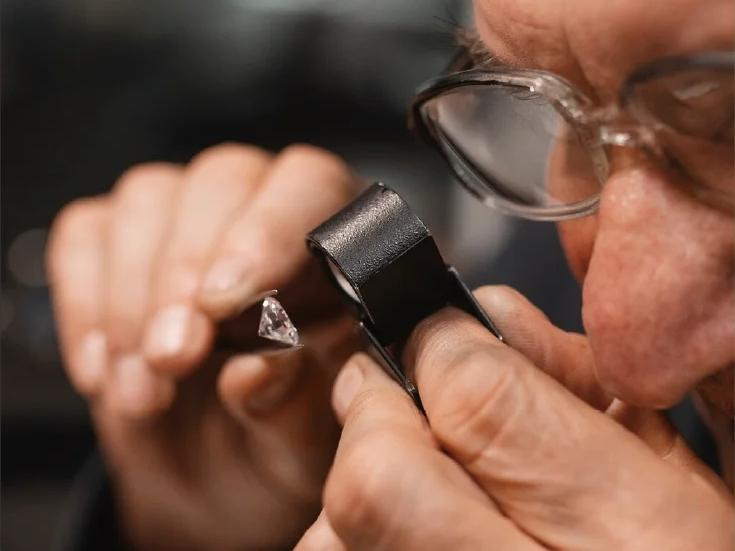
Every product is classified and inspected under strict internal grading standards — covering raw materials, surface finishing, plating thickness, and testing methods.
Using our jewelry manufacturing system, we track each production stage in real-time to ensure smooth transitions, proper sequencing, and eliminate human errors.
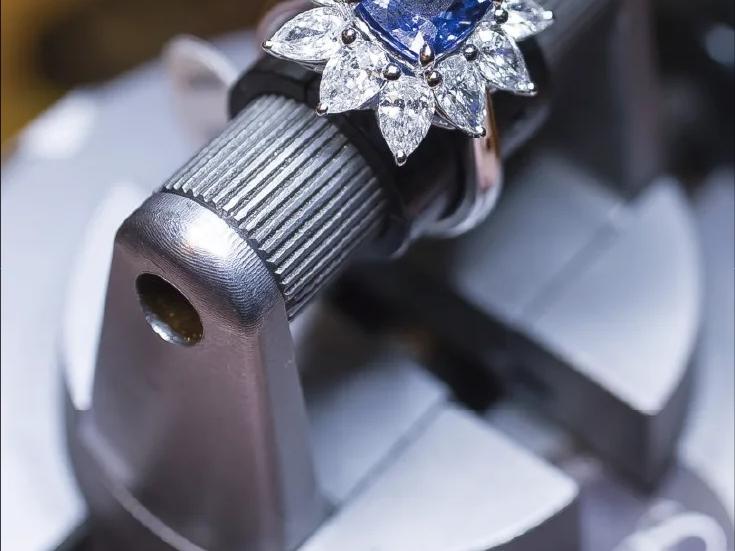
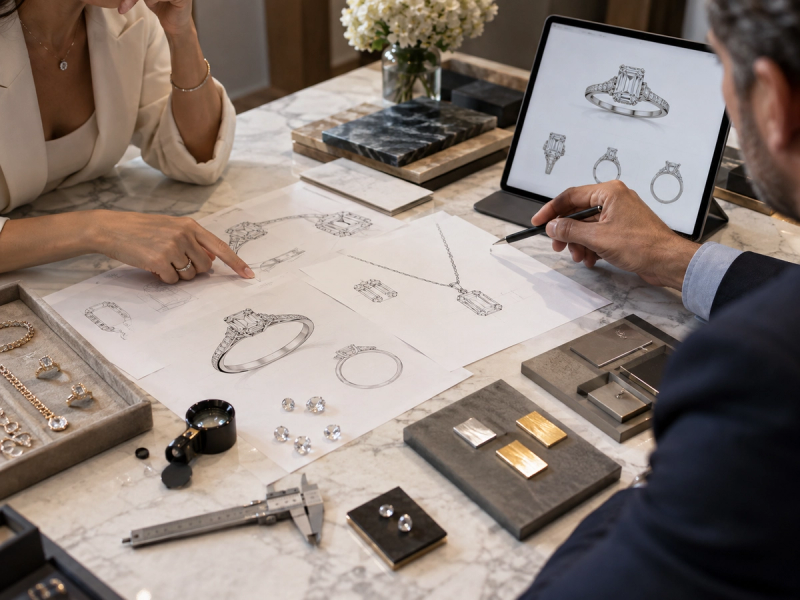
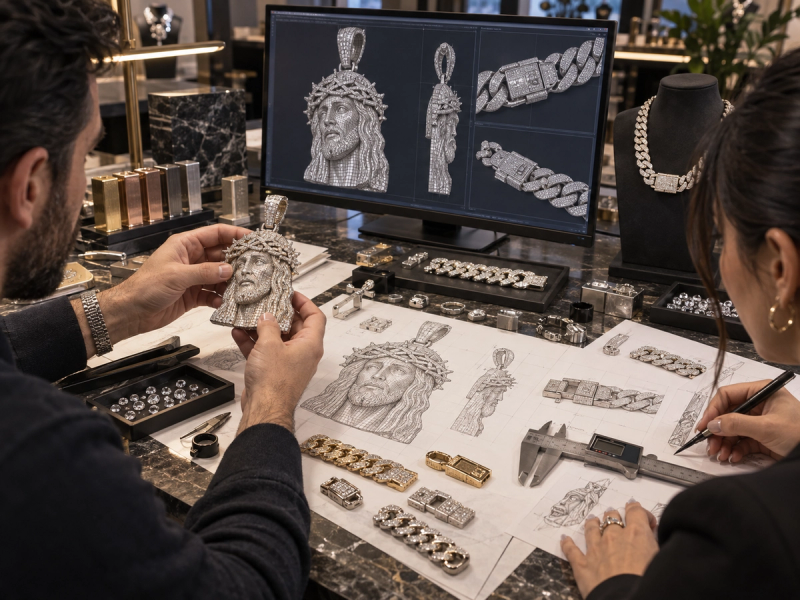
From concept design to engineering, we push for perfection. Every piece is refined for both aesthetics and structure — reducing the chance of defects from the source.
We conduct regular hands-on training and use a “mentorship” model where experienced workers guide new staff — improving speed, accuracy, and craftsmanship consistency.
Jewelry making is a system, not just a task. We regularly review recurring issues, correct habits, and coach every team member to treat each piece with care and responsibility.
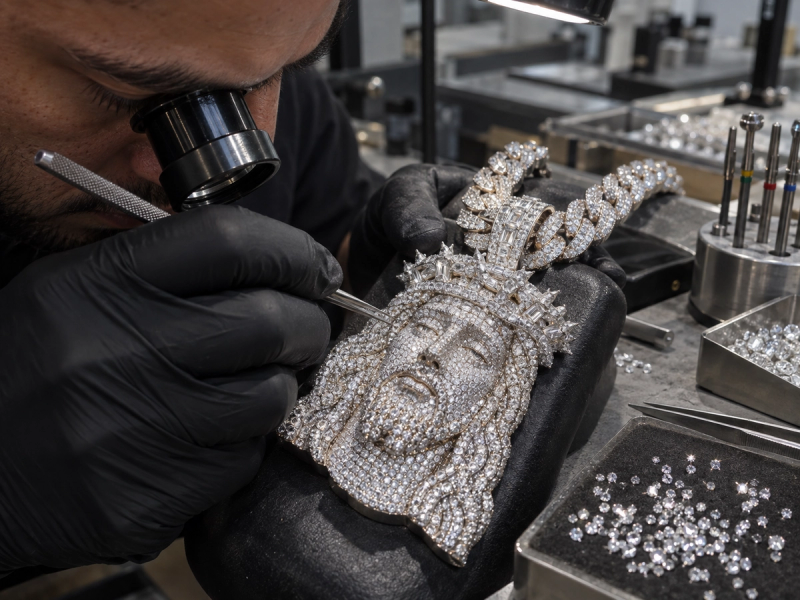
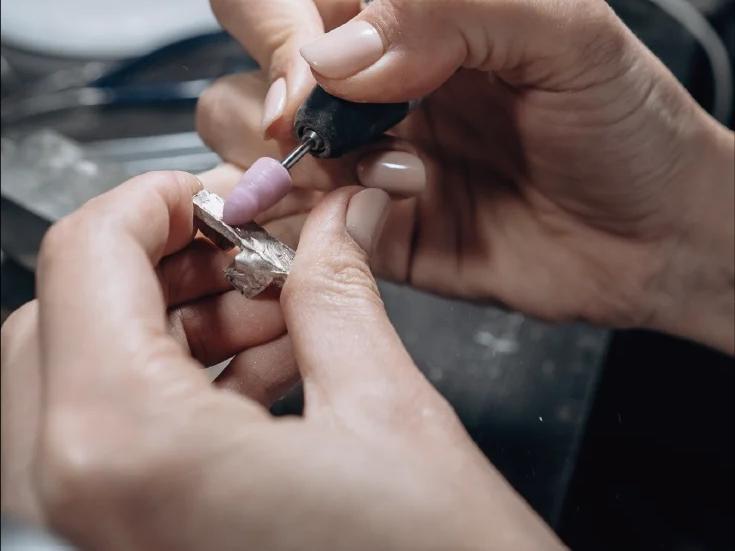
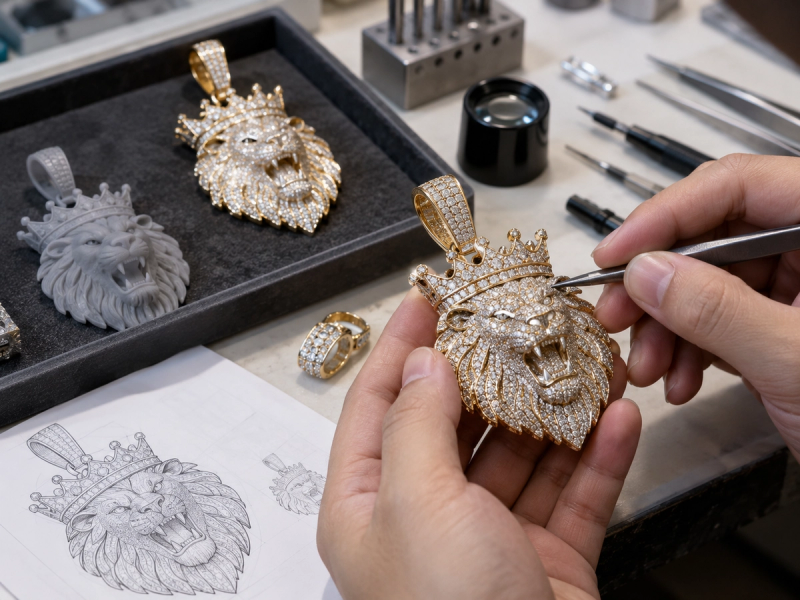
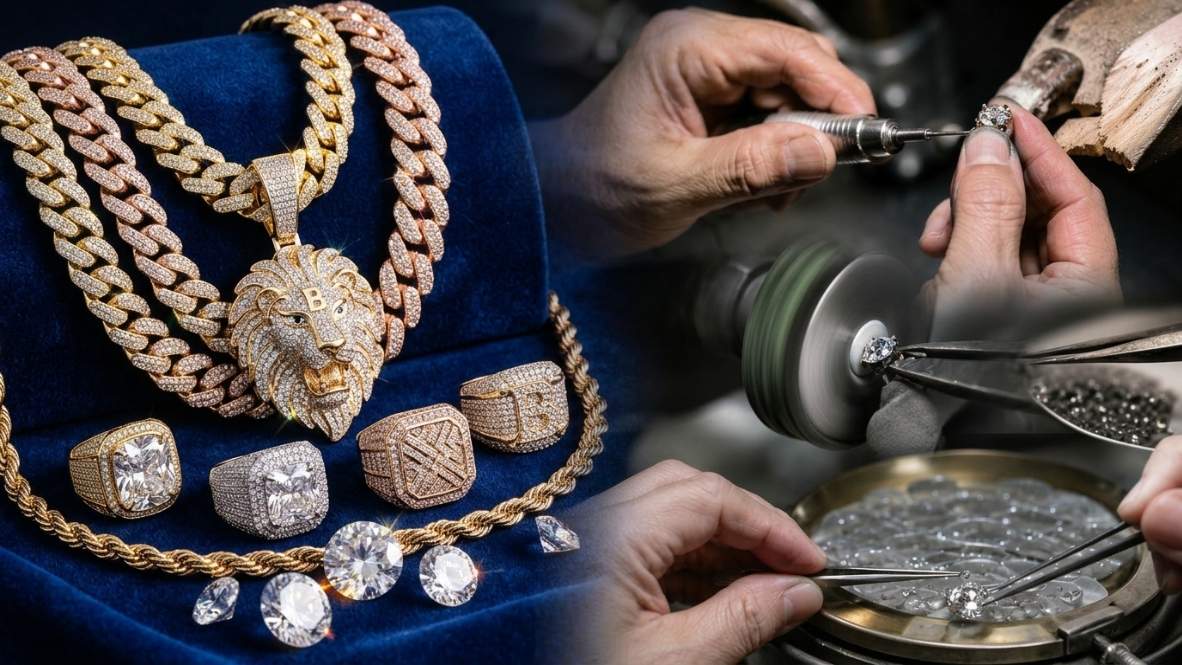
At Missjeweler, every piece is made in an ISO-certified facility — but it’s the hands of skilled artisans that bring it to life. We don’t just manufacture; we craft jewelry that reflects your brand’s vision.

Tips, trends, and manufacturing know-how — everything you need to scale smarter.

Gold plating is extremely thin and is usually measured in microns rather than millimeters. There is no single thickness that works for every ring, chain, bracelet, earring, or pendant. Depending on the product, gold plating may range from a light decorative coating to 1–2.5 microns or more. However, thickness alone...

Mixed metal jewelry remains a key trend in 2026, combining gold, silver, rose gold, and darker tones across rings, necklaces, earrings, bracelets, and personalized pieces. For jewelry brands, success depends not only on attractive color combinations but also on choosing suitable materials, manufacturing methods, coating specifications, quality tests, and reliable...

Two tone jewelry combines two visibly different metal colors within one design, allowing a single product to coordinate with both gold-colored and silver-colored collections. Its flexibility makes it useful for fashion, demi-fine, bridal, men’s, and personalized jewelry brands. However, two products with a similar gold-and-silver appearance may use completely different...