
Best Hypoallergenic Jewelry Metals for Sensitive Skin (2026 Guide)
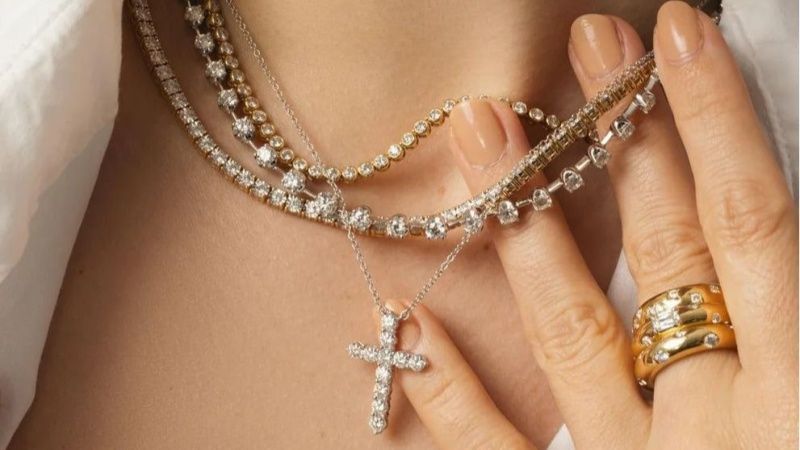
Have you ever worn jewelry that makes you itch? Does it cause redness or green skin where it touches your skin? Many people are allergic to nickel and its low-quality alloys. So, choosing the right jewelry metal will protect you from irritation. The besthypoallergenic metalsoften include titanium, platinum, high-qualitystainless steel jewelry, and high-karat gold. Don’t forget that all products labeled nickel-free are not truly hypoallergenic, so you need to be careful.
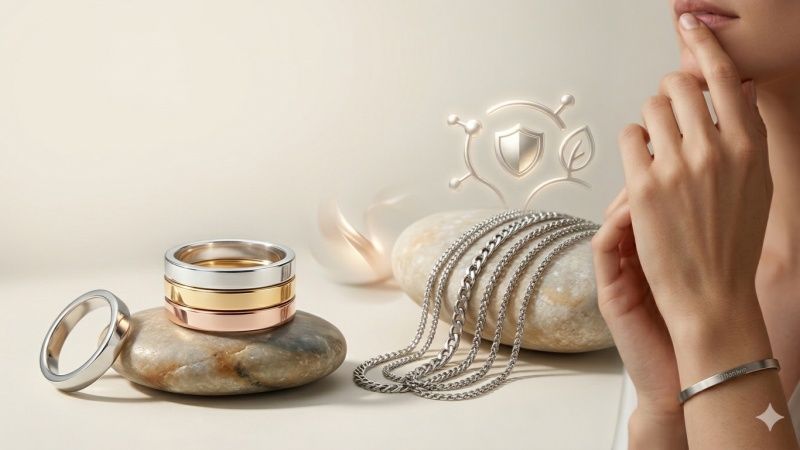
What Is Hypoallergenic Jewelry?
Metal allergieshave increased in different countries around the world in the 21st century.Studiesshow that metal contact allergies, especially nickel sensitivity, have become increasingly common worldwide, making hypoallergenic jewelry more important for sensitive consumers. That’s why many customers look for hypoallergenic jewelry. This jewelry is less likely to cause anallergic reaction. You’ll be able to wear jewelry without worrying about a skin rash.
The term “hypoallergenic” means that these metals and finishes don’t release certain ions that trigger one’s immune system. Hypoallergenic is different from nickel-free; don’t confuse these two terms. Nickel-free means that the jewelry manufacturer didn’t intentionally add nickel to the alloy or surface. But nickel-free jewelry may contain trace amounts ofnickel content. You get an allergic reaction when certain metals oxidize or release metal ions when exposed to sweat.
Why Jewelry Sometimes Causes an Allergic Reaction
- Nickel Allergies:This is a type ofallergic contact dermatitis… or adelayed rash.Nickel allergyis so common that1 in 5 American adultsexperience it. Whennickelions come into contact with your skin and dissolve due to moisture, they bind to the proteins on the skin. They trigger the immune system and may lead to reactions over time.
- Sweat & Moisture Reactions:When you sweat or live in humidity, it creates a wet and slightly acidic environment that speeds metal ion release and oxidation. It cancause an allergic reactionon your skin by increasing conductivity (via the salt in your sweat) and making otherwise stable metals leach small quantities of alloy elements. That’s why your jewelry orearringssometimes only cause problems when you exercise.
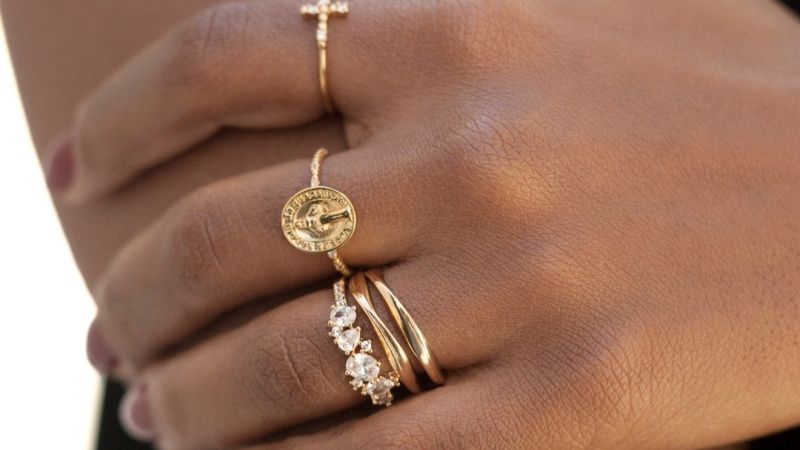
- Metal Plating Wearing Off:Gold plating, silver plating,rhodium plating, and products like these often have a thin coating over a cheaperbase metal. When you sweat a lot, the salt and chemicals in your sweat can wear this plating down, exposing the metal. As the metal is now exposed,nickelorcopper contentcan directly affect your skin.
Finding the Best Hypoallergenic Metals for Jewelry
Titanium Jewelry
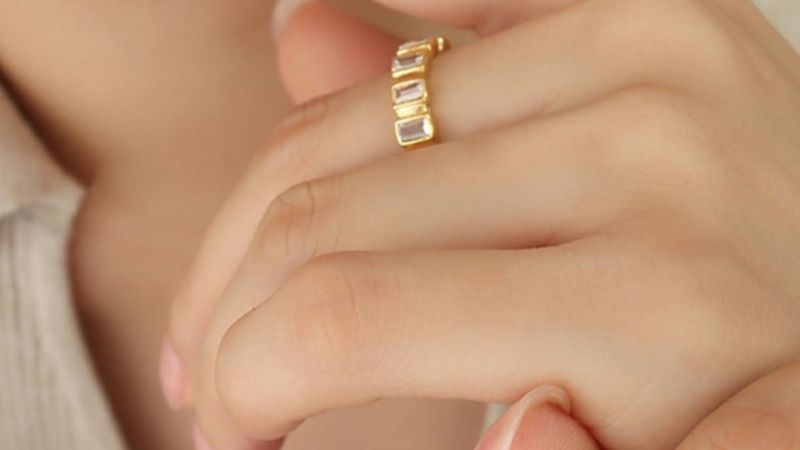
Istitaniumhypoallergenic? This biocompatible and lightweight element resistscorrosion. It is excellent for piercings. It can be more expensive than most plated options and has limited choices in color. But titanium offers you the best protection, considering that only0.6% to 1% of peoplesay they are allergic totitanium jewelry.
Surgical Stainless Steel Jewelry
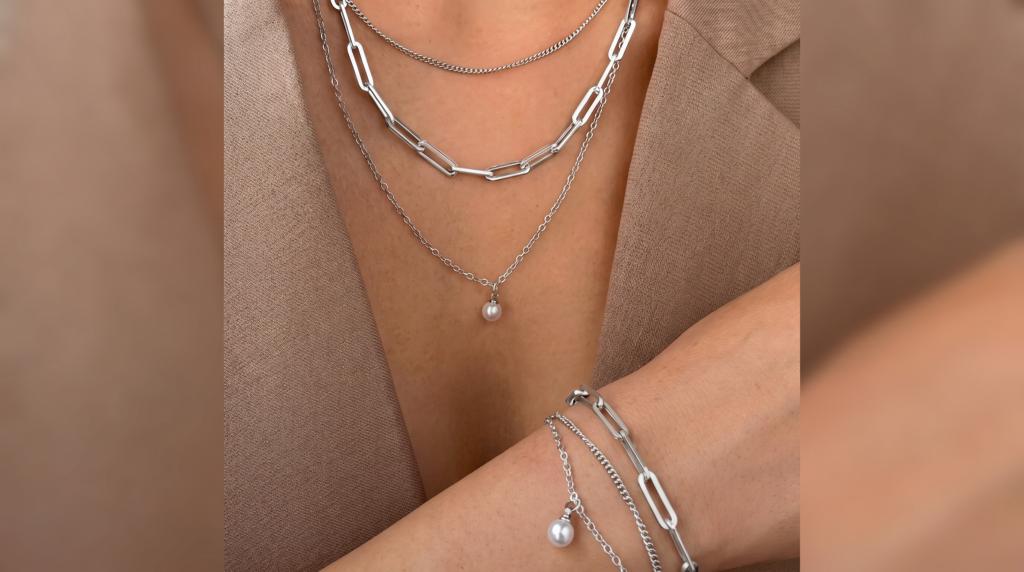
When it comes tosurgical steel, its 316L and 316LVM grades have low carbon content. These grades also protect it from corrosion. So, this form of steel reduces fewer ions. Surgical steel is durable, easy to care for, andcommon in earrings, chains, and rings. The alloy may still have asmall percentageof nickel. So, you need to be careful about this impurity.
Platinum Jewelry
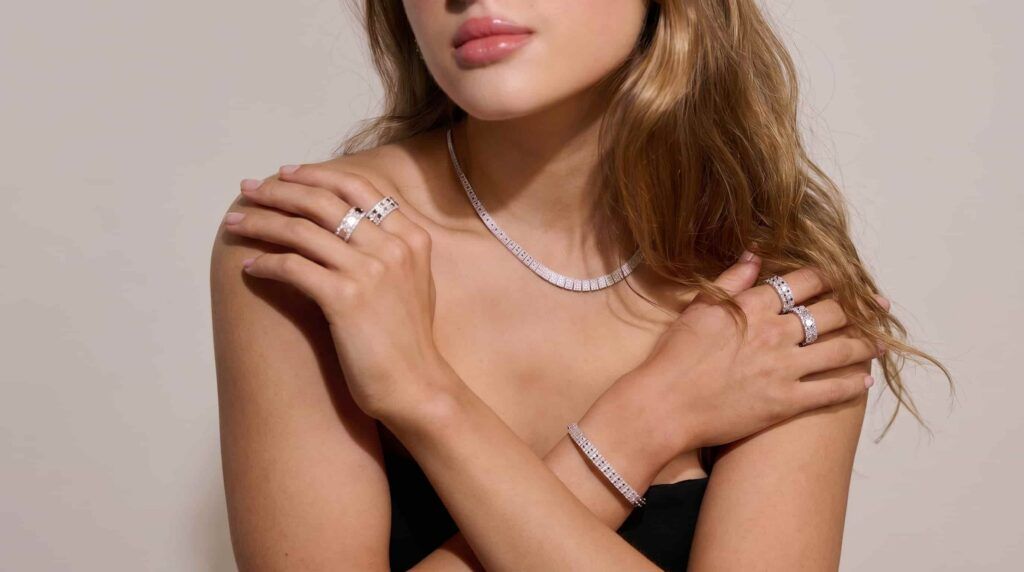
Platinumis hypoallergenic by nature. If you want a luxury option without allergic risks, you can get platinum jewelry. It’s dense and durable. It also holds gemstones securely in it. You rarely find impurities like nickel in it, so it doesn’t oxidize in a way that can affect your skin. It is theright metalfor sensitive wearers who prefer precious metals.
Gold Jewelry

Is gold hypoallergenic? Gold’s hypoallergenic quality depends on how pure it is. The purity of gold determines how good or bad it is for yoursensitive skin. You should understandhow 10K, 14K, 18K, and 24K differ from each other; 24K is the purest! Similarly, white gold often contains nickel, whileyellow goldandrose goldhave copper/silver as alloys. So,pure gold(24k) is an ideal option for sensitive wearers.
Sterling Silver Jewelry
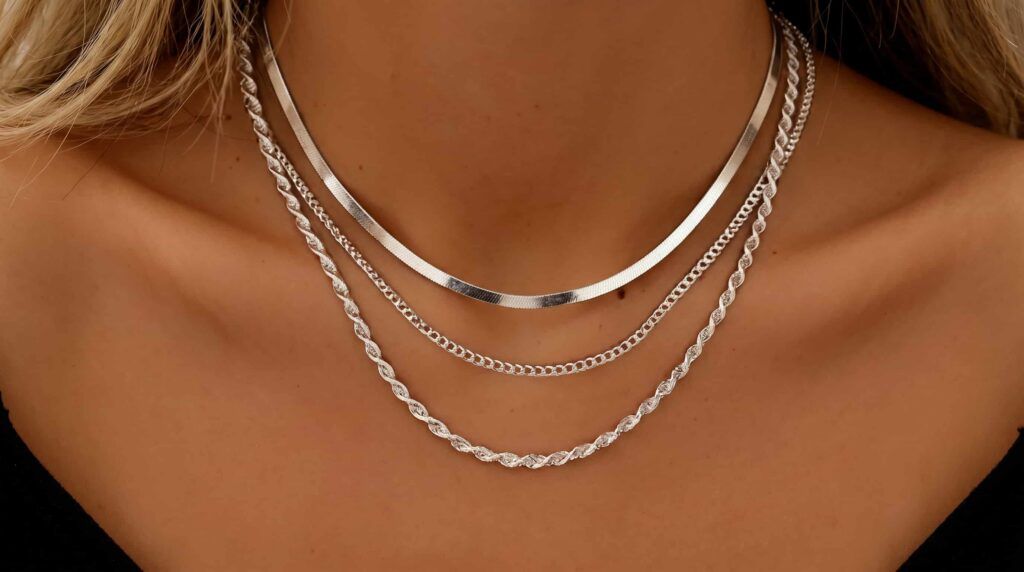
Sterling silver contains92.5% silver and 7.5% other metals. There’s a chance that yoursterling silver jewelryhas copper in it. So, you should consider sterling silver if your skin does not find copper irritating. Many people with nickel allergies findsterling silver jewelryvery soothing & comfortable.
Niobium Jewelry

Niobium is not as widely known, but a highly biocompatible & popular option for body jewelry. It resists corrosion and can be anodized to create a range of colors without plating. Niobium is generally hypoallergenic and an excellent alternative whentitaniumor platinum is not desired.
Your Go-To Chart for Hypoallergenic Metals
| ninja_column_1 | Hypoallergenic Level | Contains Nickel? | Durability | Price Range | Best Use Cases |
|---|---|---|---|---|---|
| Titanium | Very high | No | High | Mid | Piercings, earrings, rings, etc. |
| Surgical Stainless Steel | High | Trace possible | High | Low-mid | Chains, studs, everyday jewelry, etc. |
| Platinum | Very high | No | Very high | High | Rings and luxury items |
| Pure Gold | High | May contain none or trace | Medium-high | Mid-high | Rings, necklaces, heirloom pieces, etc. |
| Sterling Silver (925) | Moderate | No (may have other alloys) | Moderate | Low-mid | Chains, bracelets, and fashion jewelry |
| Niobium | Very high | No | High | Mid | Body jewelry and anodized pieces |
What Manufacturers Should Consider When Producing Hypoallergenic Jewelry?
- Use skin-friendly, nickel-free materials to reduce the risk of irritation
- Choose stable alloys that are suitable for everyday wear
- Apply consistent plating thickness to help protect the skin from direct contact with reactive metals
- Ensure smooth surface finishing to avoid rough edges or discomfort
- Check all components, includingclasps, posts, and chains, for the same quality standards
- Maintain strict quality control throughout production to keep the final jewelry safe and comfortable
How Jewelry Brands Choose Hypoallergenic Materials for Production
When jewelry brands balance cost and skin safety, they start by understanding their customers’ sensitivities and regional rules, then choosebase metalsthat are naturally gentle, such as titanium, niobium, surgical‑grade 316L stainless steel, solid 14K+ gold, or platinum for lines aimed at sensitive skin.

For more affordable pieces, brands rely on protective coatings likerhodium, PVD, or gold plating and specify heavier plating on everyday-worn items so the barrier lasts, while accepting thinner layers for occasional-wear fashion pieces to control costs. They routinely test for nickel release using standard methods (EN/ISO tests), require supplier certifications to avoid surprises, and tier their offerings so premium lines use truly hypoallergenic materials while mid-range pieces get durable plating.
Clear labeling and care instructions help customers choose safely, and ongoing monitoring of returns and allergy complaints lets brands tweak materials, plating thickness, or testing frequency based on real-world feedback. Brands also look into popular & trendy options likenickel free sterling silver.
Which Jewelry Metals Should Consumers Avoid?
There areseveral metalsthat you should avoid if your skin is sensitive to these elements:
- Nickelalloys are the usual suspects when we’re talking about skin irritation from jewelry pieces
- Cheap mysterymetals are hypoallergenicas well (such as costume jewelry) because they may containcopperor nickel
- Brasscontainszincand copper, so it can stain your skin and trigger allergic reactions
- Copper-heavy alloys cancause a reactionas well, in the form of green discoloration
How to Tell If Your Jewelry Is Hypoallergenic
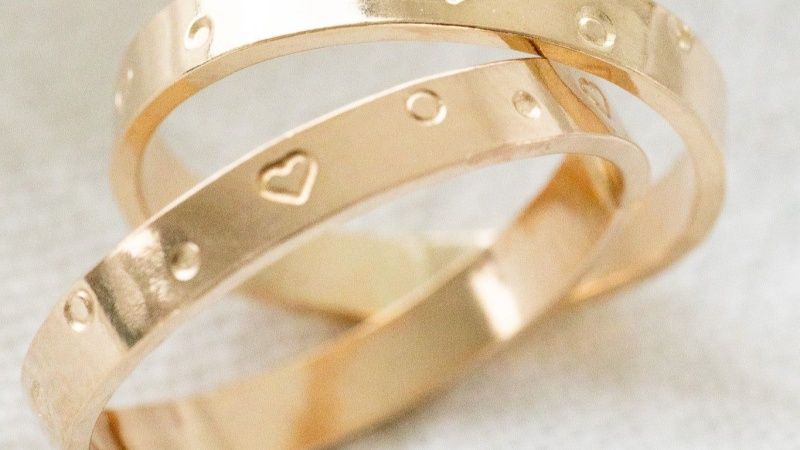
You should checkjewelrystamps for markings like 925 forsterling silverand 24K for gold. If you read product descriptions, you can spot metal grades in the form of 316L or 316LVM steel; these descriptions often explicitly state niobium orpure titanium. Don’t forget to look for labels like “Nickel Free” or hypoallergenic.
Tips for Wearing Jewelry with Sensitive Skin
These tips are perfect forsensitive earsand help you from making sure your jewelry does not become a source of discomfort for you:
- Keep your jewelry dry because moisture accelerates ion release and corrosion
- Avoid low-quality plating and choose solid metals or thick plating from reputable sellers
- Clean jewelry regularly to remove oils and sweat that encourage metal breakdown
- Remove jewelry during exercising, swimming, sweating heavily, or jogging when it’s hot outside to prevent exposure to chlorine and salt
What Makes Jewelry Hypoallergenic
Different factors make your jewelry hypoallergenic… and safe to wear. For instance, pure metals reduce the amount of those sensitizingalloyelements that irritate your skin. If the plating made of gold orrhodiumis thick and durable, it prevents skin contact with allergenic base metals. A polished jewelry piece that underwent passivation and propersurface treatmentscan reduce the frequency of friction that can otherwise expose allergenic elements.
Best Hypoallergenic Jewelry Types
| ninja_column_1 | Top Metals Recommended | Pros | Cons | Best Use Cases |
|---|---|---|---|---|
| Earrings | Titanium, Platinum, Niobium, Implant-grade 316L SS | Minimal irritation for piercings and lobes, excellent biocompatibility | Titanium limited in color choices, platinum expensive | New piercings, everyday studs |
| Chains | 316L Stainless Steel, 14K-18K Gold, Titanium | Durable for daily wear, resists breakage and corrosion | Gold chains can be costly; cheap chains may contain nickel | Pendants, daily-wear necklaces |
| Rings | Platinum, 18K Gold, Titanium | Long-term wear, resists corrosion and skin reactions | Titanium rings are difficult to resize; lower-karat gold may contain allergens | Wedding bands, everyday rings |
| Bracelets | Titanium, Stainless Steel, High-karat Gold | Durable styles, good for daily wear, many hypoallergenic options | Link bracelets can trap sweat; plated bracelets may wear off | Bangles, chain bracelets for daily wear |
Recognizing the Signs of Jewelry Metal Allergies
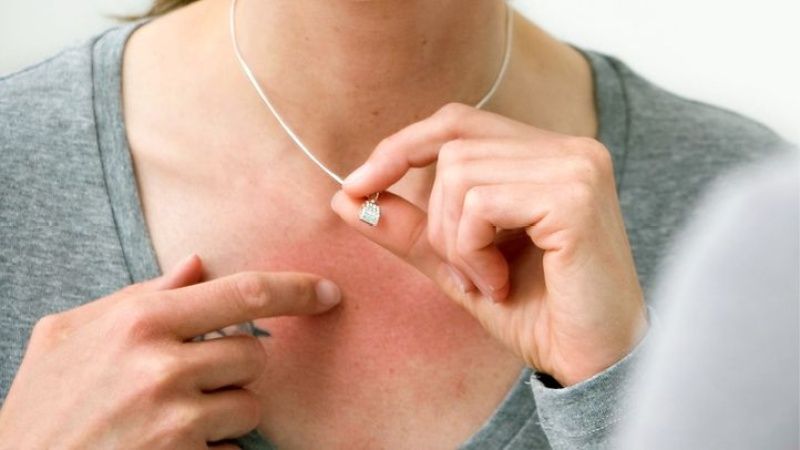
Common symptoms of contact dermatitis from metal include localized redness, itching, swelling, small bumps or blisters, and persistent dryness or flaking at the contact site. Oxidation canturn skin greenin some cases; this is a common symptom of wearing these metals.
You should photograph rashes for medical consultation and note when they appear relative to jewelry wear. Short-term relief measures include removing the jewelry immediately, washing the area with soap and water, applying a cool compress, and using over-the-counter hydrocortisone cream if appropriate. Contact professionals whenjewelry allergiesget out of hand.
FAQs | Find the Most Hypoallergenic Metal
Is stainless steel jewelry hypoallergenic?
Surgical stainless steel, especially 316L and 316LVM, is hypoallergenic for people because it limits ion release. People with severe nickel allergy may still react to some pieces.
Is titanium better than stainless steel for sensitive skin?
Titanium is better for severe sensitivities because it is highly biocompatible and does not contain nickel. Stainless steel offers a cost-effective option with good hypoallergenic properties for most wearers.
Can gold jewelry cause allergic reactions?
Yes, gold jewelry can cause reactions in some cases. Pure 24K gold is less likely to cause a reaction. Lower karat gold and white gold alloyed with nickel can provoke allergies.
What metal is safest for earrings?
Titanium and platinum are usually the safest choices for your earrings and new piercings. Also, implant-grade stainless steel and niobium are good options. So, avoid base metal jewelry.
Is sterling silver safe for sensitive skin?
Sterling silver is safe for many people, but alloy metals such as copper can cause reactions in sensitive individuals. Tarnish can also irritate some skin types.
Conclusion
A metal is hypoallergenic when its high purity or stable composition limits ion release, preventing contact with reactive base metals. Titanium offers the best combination of hypoallergenic performance, comfort, and durability. Platinum remains the top luxury choice, while surgical stainless steel balances affordability and safety for most wearers.
Avoid a Common Metal Allergy with the Right Manufacturers
With consumer expectations shifting toward longevity and skin-safe materials, your choice of manufacturing partner determines your brand's baseline quality.
Missjeweler works alongside growing labels toresolve the technical challenges of hypoallergenic jewelry, ensuring material purity matches your design standards. Let's review your collection's structural requirements to establish a scalable, reliable production process.